
What Is a Share House?
A share house can be a place to live with friends, but if you search online, you will find many places recruiting new residents.
There are various types of share houses, such as women-only houses or those for people who love pets. Choose one that fits you.
Use the search keyword [Share house + (the area you want to live in)] to find listings instantly.
What Do the Rooms Look Like?
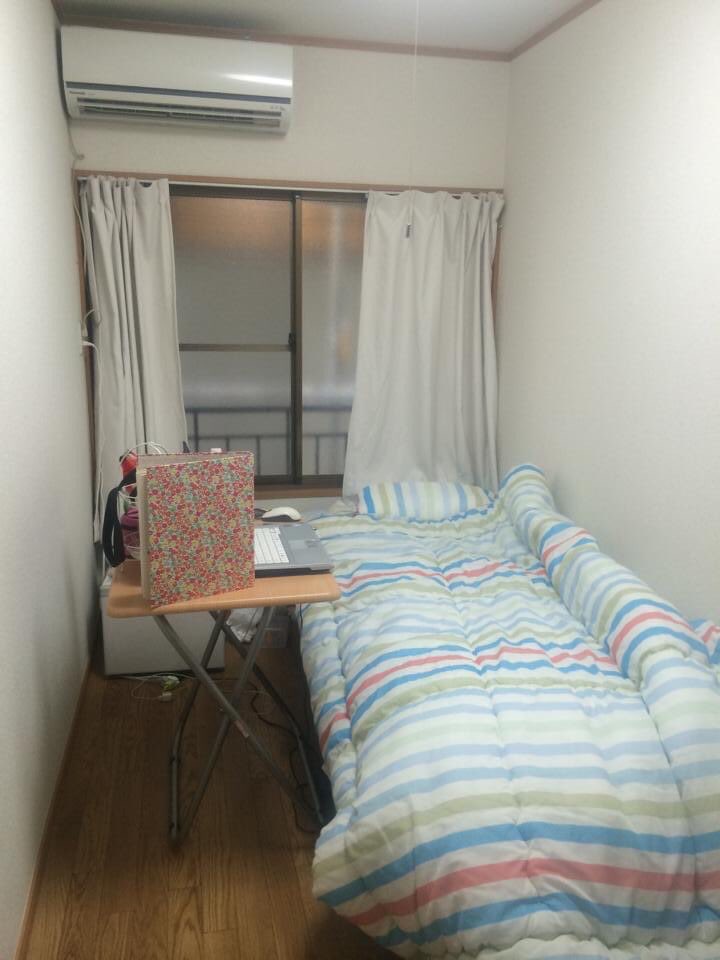
Many rooms may feel small compared to the rent, but there is no deposit or key money (sometimes a small initial fee), so it is much cheaper than regular rental apartments. Kitchens and toilets are usually separate, so daily life wasn’t inconvenient.
Some houses have no private rooms and only offer one bunk-bed space in a shared room. If you just need a place to sleep, this may be enough.
You can move out quickly if you don’t like it, so I moved whenever it didn’t feel right.
I lived in a 4.5-tatami share house for a long time, and many friends asked:
“Can you really live in 4.5 tatami?”
But when they visited, many said it looked much bigger than they imagined. So always visit before deciding.
What Kind of People Live in Share Houses?
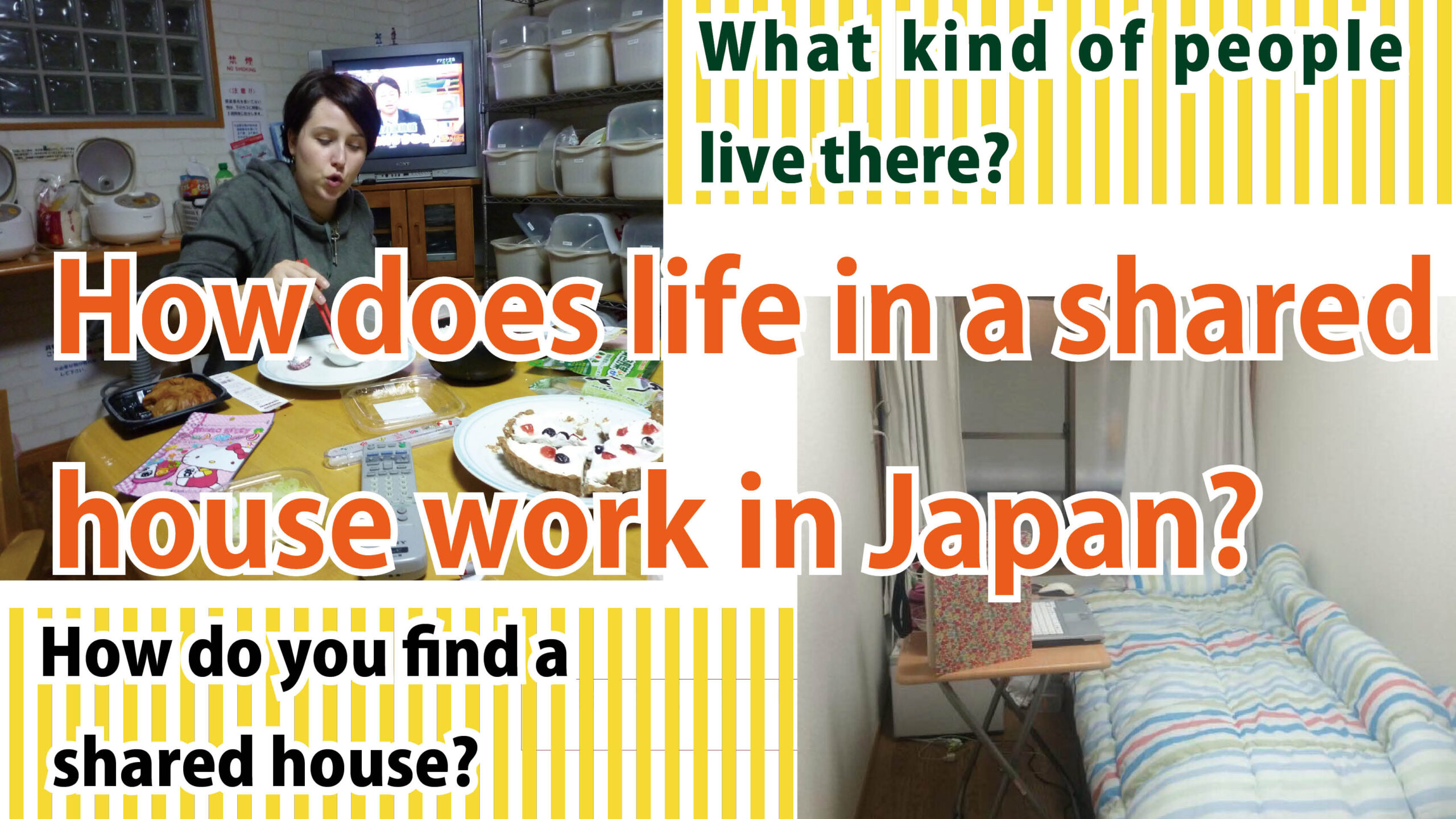
Honestly, before moving in, I was scared about what kind of people lived there. But once I moved in, I found:
- People bored with the home–work routine
- People who returned from studying abroad and want to keep their language skills
- People who want to save money
- People living in Japan on a working-holiday visa
There were many different types.
I chose a share house because I wanted to live alone while saving money.
Human relationships matter a lot, so if it didn’t match, I moved out immediately.
What Should You Check When Choosing?
There are many kinds of share houses in Japan, and the best one differs for each person. So check the following first:
- Nationality ratio
- Age range
- Gender balance
- Room facilities
- Walking distance from the station (always check if there is a railway crossing)
- Photos of the living room
I wanted to talk with people from many countries, so I chose a multinational house. I also avoided women-only houses because I wanted to talk with people of all genders and ages.
All I needed in the room was a desk and air conditioner. You can just use the shared refrigerator.
If it was over 10 minutes from the station, it was tough. I avoided places known as “never-opening crossings.”
A clean living room is important. Larger living rooms make people gather more. Some houses even have billiards tables, so choose one that fits your hobbies.
Things to Be Careful About
Each share house has its own rules, so always check them.
Many have thin walls, so avoid making noise at night.
Also, be careful of theft. As you get used to the house, your awareness may fade. Lock your valuables or carry them with you.
Watch out for intruders. Once, someone tried to enter my room and I screamed. They ran off immediately, but it was dangerous.
Benefits of Share Houses
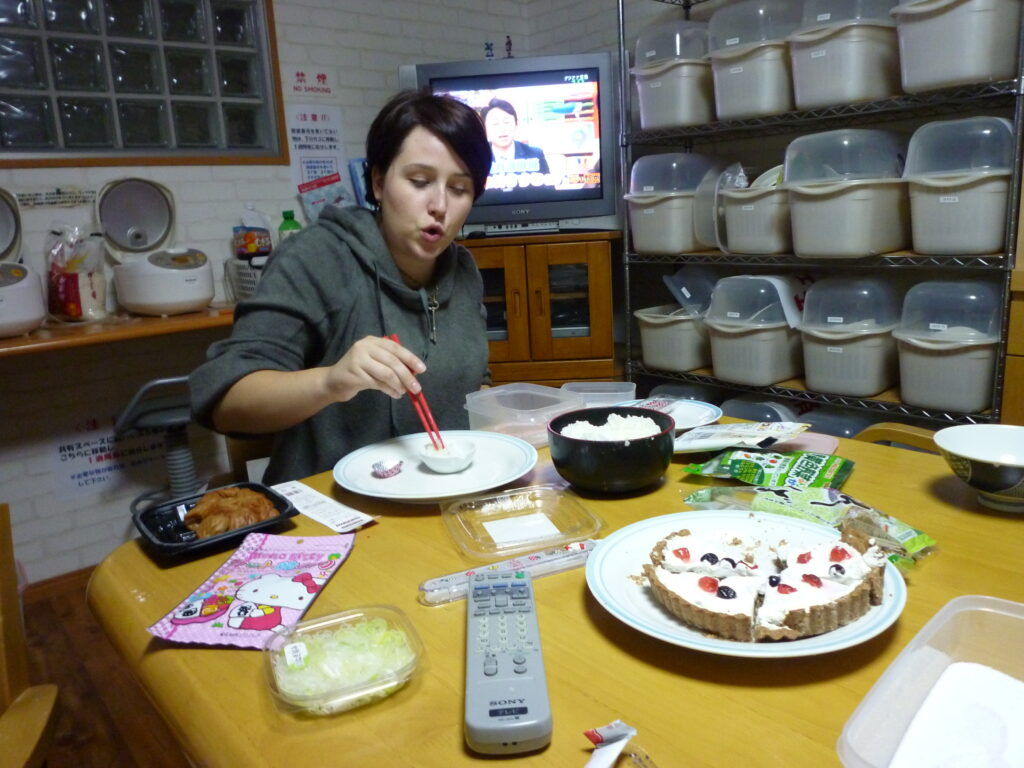
The biggest benefit is easily making friends. I didn’t get a boyfriend, but many residents were dating.
When hanging out with friends,
“Let’s meet at XX station.”
was unnecessary — everyone met at the share house, saving transportation costs. Just walking around the neighborhood or eating together was fun.
In multinational houses, the spices people use vary a lot, so exchanging dishes is fun.
When I came home from work,
“Nice to meet you! I’m XX, starting from today.”
Sometimes completely new people would appear, and many planned events were happening. Every day was intense and interesting.
It became a lifelong memory.
コメント